
The Ultimate Guide to Trading in Forex Strategies, Tips, and Insights 1849027860
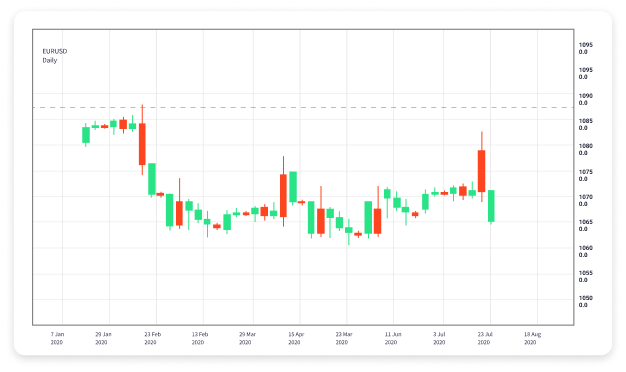
Trading in Forex (foreign exchange) is often regarded as a complex and challenging endeavor. Yet, with the right knowledge and tools, it can also be a rewarding way to generate income and build wealth. This article will explore the fundamentals of Forex trading, key strategies, and tips to help aspiring traders navigate the bustling currency markets. For an enhanced learning experience, check out trading in forex trader-maroc.com, a reputable source for essential Forex insights.
What is Forex Trading?
Forex trading involves the buying and selling of currencies in a global decentralized marketplace. Unlike stocks, the Forex market is open 24 hours a day, five days a week, allowing traders to engage in transactions at any time. The Forex market is the largest financial market in the world, with an average daily trading volume exceeding $6 trillion. This remarkable size leads to high liquidity, tight spreads, and numerous opportunities for traders.
The Basics of Forex Trading
To succeed in Forex trading, it’s essential to understand several key concepts:
- Currencies and Pairs: In Forex, currencies are always traded in pairs, such as EUR/USD (Euro/US Dollar). The first currency is called the base currency, while the second is the quote currency. The exchange rate indicates how much of the quote currency is needed to purchase one unit of the base currency.
- Leverage: Leverage allows traders to control larger positions with a smaller amount of capital. While leverage can amplify profits, it also increases the potential for losses.
- Spreads: The spread is the difference between the buying (ask) price and the selling (bid) price of a currency pair. It represents the cost of trading and can vary based on market conditions and the broker used.
Types of Forex Trading Strategies
There are various trading strategies used in Forex. Each strategy caters to different trading styles and preferences:

Day Trading
Day trading involves buying and selling currencies within the same trading day. Day traders rely on short-term price movements and often execute multiple trades in a single day. This strategy requires a solid understanding of market trends and a keen sense of timing.
Scalping
Scalping is a more aggressive approach that focuses on capturing small price movements over a short period. Scalpers typically enter and exit the market quickly, aiming for small profits on each trade. This strategy demands quick decision-making and a disciplined mindset.
Swing Trading
Swing trading involves holding positions for several days to capture price swings. Swing traders typically analyze charts and utilize technical indicators to predict short to medium-term market movements. This strategy offers a balance between day trading and longer-term investing.
Position Trading
Position trading is a long-term strategy that focuses on fundamental analysis. Position traders hold trades for weeks or even months, relying on economic indicators and news events to guide their decisions. This method requires patience and a solid understanding of macroeconomic factors.
Technical Analysis in Forex Trading

Technical analysis plays a crucial role in Forex trading. Traders use charts and indicators to analyze price movements and forecast future trends. Here are some essential tools used in technical analysis:
- Trend Lines: Drawing trend lines helps traders identify the direction of the market. A rising trend indicates bullish sentiment, while a falling trend suggests bearish sentiment.
- Support and Resistance Levels: Support refers to price levels where a downtrend may pause, while resistance levels indicate where an uptrend may stall. Recognizing these levels is critical for making informed trading decisions.
- Moving Averages: Moving averages help traders smooth out price data and identify trends. The two most commonly used types are the simple moving average (SMA) and the exponential moving average (EMA).
- Indicators: Traders often use indicators like the Relative Strength Index (RSI) and Moving Average Convergence Divergence (MACD) to assess market momentum and identify potential entry and exit points.
Fundamental Analysis in Forex Trading
While technical analysis focuses on price patterns, fundamental analysis examines economic factors that impact currency values. Key factors to consider include:
- Economic Indicators: Various economic releases, such as GDP, employment figures, and inflation rates, influence currency valuation. Traders need to stay informed about economic news and releases from major economies.
- Central Bank Policies: Central banks, like the Federal Reserve or the European Central Bank, play a significant role in determining interest rates and monetary policy. Changes in policy can have profound effects on currency values.
- Geopolitical Events: Political stability and geopolitical issues can lead to volatility in the Forex market. Traders should be aware of global events that may impact currency fluctuations.
Risk Management in Forex Trading
Effective risk management is crucial for long-term success in Forex trading. Here are some tips to help mitigate risks:
- Set Stop-Loss Orders: Stop-loss orders automatically close a position when it reaches a predetermined loss level. This helps limit potential losses.
- Use Proper Position Sizing: Determine the appropriate size of each trade based on your account balance and risk tolerance. Avoid risking too much on a single trade.
- Diversify Your Trades: Avoid putting all your capital into a single trade or currency pair. Diversifying your portfolio can help reduce risk.
Conclusion
Trading in Forex can be a lucrative venture if approached with the right knowledge, strategies, and risk management techniques. By understanding the fundamentals of the market, employing effective strategies, and continuously learning, traders can improve their chances of success. Remember, patience and discipline are key components of becoming a successful Forex trader. Whether you are a novice or an experienced trader, there’s always something new to learn in the dynamic world of Forex.
Deixe uma resposta
Want to join the discussion?Feel free to contribute!